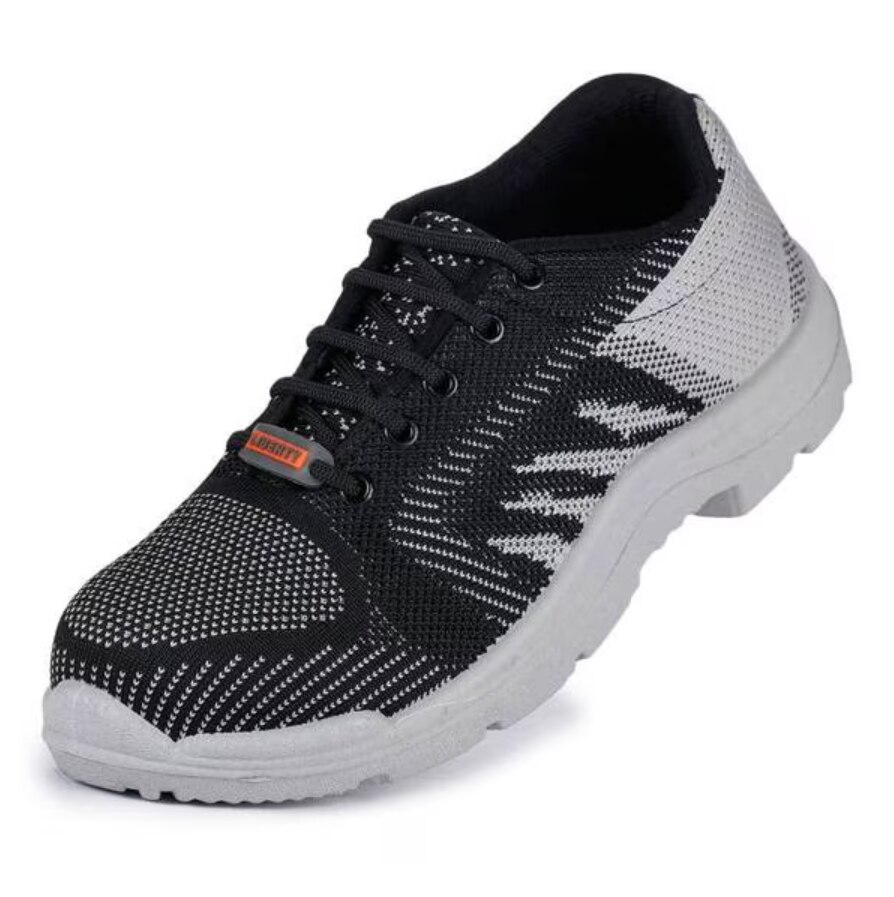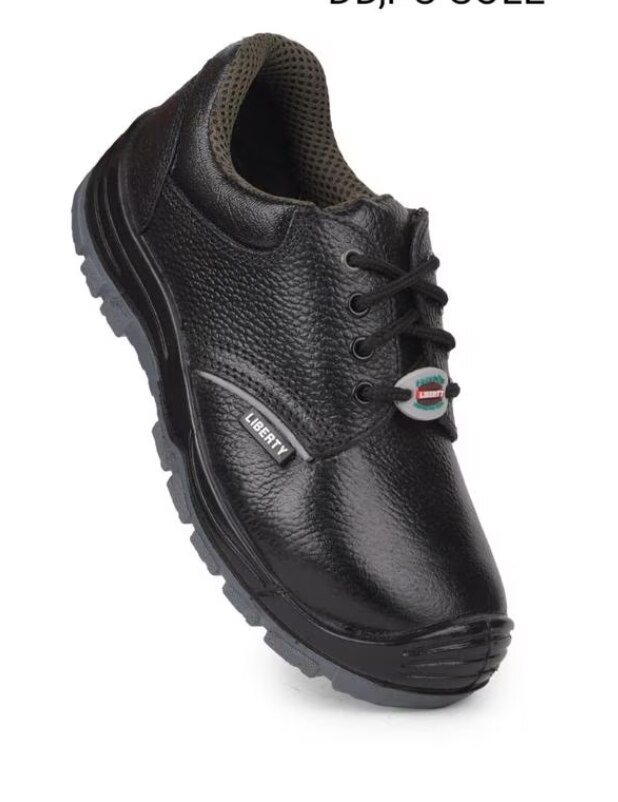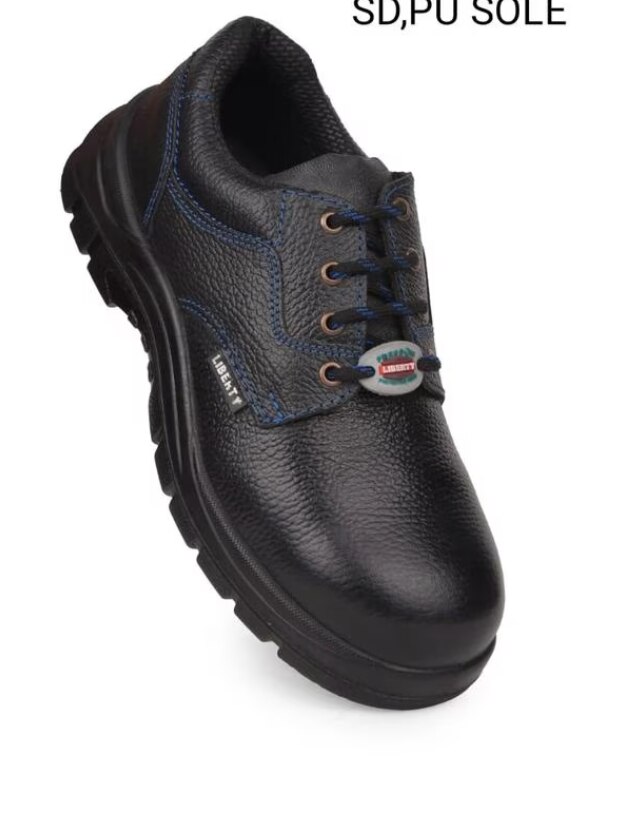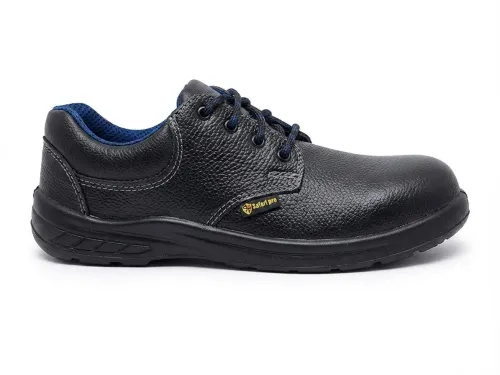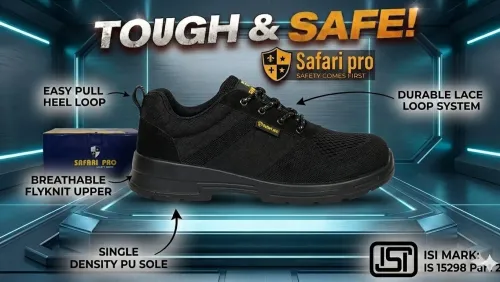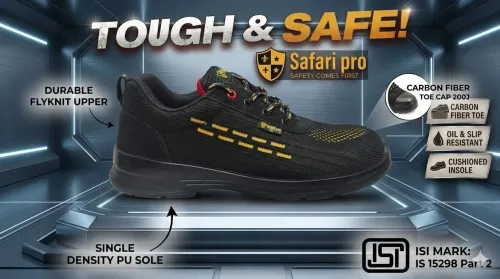
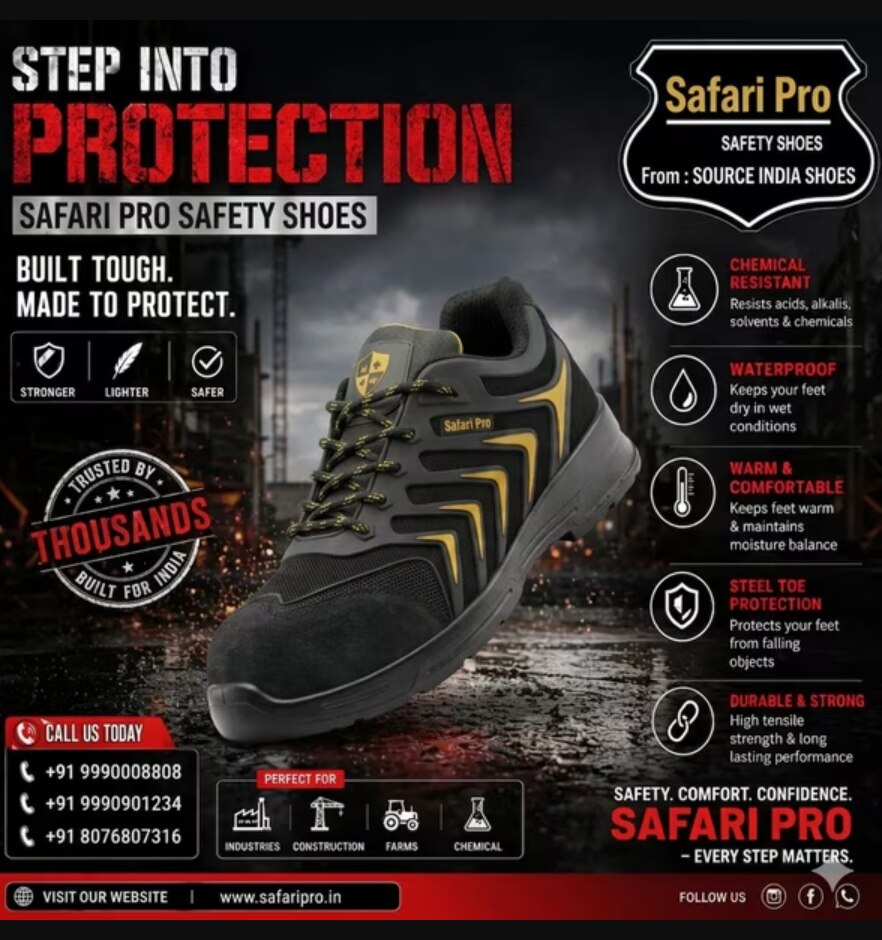
A model name, an ISI mark, or a marketplace listing cannot show whether a shoe protects against the hazards on your site. You need to match the exact SP 4102 documentation and markings with the work risk assessment, then check fit, grip, construction, and condition before approving a pair. By the end, you can classify the shoe as suitable, restricted to specific tasks, or unverified.
Key takeaways
- Ask for the certificate, licence, model code and batch details before purchase.
- Match toe, sole, electrical and puncture ratings to the actual site hazards.
- Reject pairs with damaged soles, exposed toe caps, worn treads or poor fit.
- Record supplier, documents, inspection results and wearer assignment in Noida.
What evidence proves that SP 4102 is the certified model you are buying?
An ISI mark does not prove that the pair in your hands is the certified SP 4102 model. Your purchase file must identify:
- Exact manufacturer and model number: SP 4102
- Production batch or lot number
- Applicable edition and part of IS 15298
- Certificate or licence number
- Conformity marking shown on the shoe and its packaging
Photograph the tongue, internal label, sole, box, and every certification detail before approving the order. Then compare those images with the licence or test record and confirm that the record covers SP 4102, not another Safari Pro model. A marketplace listing, invoice description, or “steel-toe” claim is not traceable evidence.
There is a documentation issue to resolve. Published references may cite IS 15298 Part 2, while Indian procurement research points to IS 15298 Part 4 for safety footwear.
Ask the supplier to identify exactly what protection the Part 2 reference covers, which edition applies, and whether the marking on the supplied pair follows the current applicable requirement.
An ISI mark indicates conformity to a specified requirement; it does not complete your site hazard assessment. Therefore, are safari pro sp 4102 shoes suitable for industrial sites in gautam buddh nagar has no defensible yes-or-no answer from the name alone.
Treat safari pro sp 4102 safety shoes as unverified until the model, batch, standard, licence, and markings match.
Which protective ratings must SP 4102 show before you assign it to a task?
Assign SP 4102 to a task only after its datasheet or test record confirms each protection that the hazard requires. Treat an unlisted marking as absent.
| Rating or evidence | What it establishes | Do not infer |
|---|---|---|
| Toe-cap material, 200 J impact, 15 kN compression | Toe protection against impact and crushing | Protection for the instep, ankle, or metatarsals |
| P | Penetration resistance through the sole | Protection from every nail, rebar, or sharp scrap hazard |
| A | Antistatic performance and reduced charge accumulation | Protection from electric shock |
| E | Heel energy absorption | Whole-foot impact protection |
| WR | Water resistance under its stated test | Waterproof performance during immersion |
| Oil or fuel marking | Resistance under the named test conditions | Resistance to acids, alkalis, solvents, or heat |
Construction and fabrication work may need metatarsal protection or a penetration-resistant midsole because a toe cap covers the toe, not the upper foot or sole. Ask for separate electrical-insulation evidence: antistatic footwear controls charge accumulation, while insulating footwear addresses shock under its own test conditions.
The record must also name the outsole compound, abrasion resistance, contact-heat rating, fuel resistance, oil resistance, acid resistance, alkali resistance, solvent resistance, and welding-spatter protection. A rubber or polyurethane outsole, including one that looks insulating, proves none of these properties.
This is the minimum comparison for industrial site safety footwear, not a list of assumed Safari Pro SP 4102 features.
Where might the documented SP 4102 uses stop being enough?
Documented SP 4102 uses stop where the site demands protection that the shoe’s records do not prove. Ask for the named slip-test method and classification, not a marketing claim: “non-slip” is not a test result.
| Condition | What to compare | Verification question |
|---|---|---|
| Oily concrete or diesel | Tread channels and outsole compound | Does the named classification cover hydrocarbon-contaminated flooring? |
| Metal stairs or loose aggregate | Lug shape, edge grip, and penetration resistance | Does the sole stay stable without snagging or allowing sharp-object penetration? |
| Cement slurry, clay, or mud | Self-cleaning tread depth and compound grip | Has performance been assessed under contaminated, deformable ground? |
| Standing monsoon water | Water-resistance rating and drainage behaviour | Is this water resistance, rather than waterproof construction for pooled water or prolonged immersion? |
The phrase safari pro sp 4102 uses fits general warehousing, logistics, light manufacturing, or construction only after documented toe, slip, penetration, and task-specific ratings match the risk assessment. Do not assign it automatically to welding, foundry work, chemical handling, or high-voltage electrical maintenance.
Require separate evidence for metatarsal, chainsaw, dielectric, chemical, and high-heat protection. A water-resistant upper will not protect you during hours in pooled water.
In Gautam Buddh Nagar, dust, cement slurry, heat, abrasion, monsoon water, and outdoor movement can expose gaps that a laboratory certificate does not answer. Test the actual tread and compound on representative site surfaces before approval.
How do fit, comfort, and wear condition affect an industrial-site decision?
A technically compliant pair can still become unsafe during an 8- to 12-hour shift. Fit, retention, fatigue, and wear determine whether the protection remains usable when you need to move quickly.
1. Inspect the toe-cap material, upper, sole construction, stitching, closure, weight, size and width range, toe-box shape, arch support, ventilation, and insole design. Trial the shoe with the wearer’s work socks: leave toe clearance, keep the heel down, fasten it securely, and walk on stairs and uneven ground.
Reject any pair whose toe cap presses against the toes.
2. Treat poor retention as a site hazard. A loose, badly sized, or excessively heavy shoe increases trip risk and can slow withdrawal near vehicles, conveyors, and falling loads.
3. Check every pair before each shift for worn tread, split uppers, sole delamination, exposed toe-cap edges, crushed heel counters, damaged fasteners, deep cuts, and contamination that washing cannot remove. Monsoon soaking, cement residue, repeated washing, heat drying, dust, and abrasion warrant extra checks.
Replace the pair when its protection, grip, structure, or fit is no longer reliable. Do not assign a wear-life figure without evidence from the manufacturer; a used or heavily worn shoe is not equivalent to a newly tested one. A successful initial trial also does not excuse daily inspection.
What should a Noida buyer record before approving SP 4102?
Approve SP 4102 only when its documents, fit, and controlled site trial match the employer’s written risk assessment and site rules. A marketplace listing or nominal size range cannot complete that decision.
Record these items in the procurement file:
- Product datasheet, exact manufacturer, model number, production batch, licence details, conformity or test records, and sample photographs of the tongue label, sole, box, and markings.
- Upper and sole materials, stated performance classes, available sizes, size samples, warranty terms, and the replacement procedure.
- The exact model and batch used for any search such as “safari pro sp 4102 noida”; do not accept evidence covering another Safari Pro model.
| Performance category | Compare with site requirement | Record if absent |
|---|---|---|
| Toe impact and compression | Falling-object risk and required toe-cap class | Unverified for intended use |
| P penetration, slip, oil, fuel, water, heat, or chemical resistance | Nails, rebar, oily floors, slurry, chemicals, and heat | Unverified for intended use |
| A antistatic, electrical insulation, heel absorption, or metatarsal protection | Risk assessment and task-specific rules | Unverified for intended use |
For a wholesale order in Gautam Buddh Nagar, run a wearer size trial and controlled site trial on stairs, uneven ground, dust, slurry, and representative floors. Safety Shoes Manufacturers can provide model-specific documents and samples, but its product description does not replace your verification file.
SP 4102 is suitable only when traceable evidence covers the task and fit and site performance pass inspection; otherwise select another model.
Frequently asked questions
What evidence proves that SP 4102 is the certified model being bought?
Match the shoe’s printed model code, manufacturer details, size and batch information with the certificate and licence documents. An ISI mark alone does not prove that the pair is the certified SP 4102 model.
Which protective ratings must SP 4102 show before assignment?
Check the marking and test documentation for the protection your task requires, including toe impact and compression, slip resistance, puncture resistance, electrical properties and fuel-oil resistance. Do not assign the shoe based on its product name alone.
Where might documented SP 4102 uses stop being enough?
Documented uses do not replace a site-specific risk assessment. Reconsider the shoe for chemical splash, molten-metal exposure, extreme heat, heavy sharp scrap, prolonged wet work or hazards outside its tested ratings.
How do fit, comfort and wear condition affect an industrial-site decision?
Inspect the sole, tread, upper, seams, toe area, laces and insole before issue. A poor fit, painful pressure point, loose heel or damaged tread can reduce safe performance even when the model is certified.
What should a Noida buyer record before approving SP 4102?
Record the supplier, invoice, model and size, batch or manufacturing details, certificate and licence references, required site ratings, inspection result, wearer assignment and replacement criteria.
Keywords