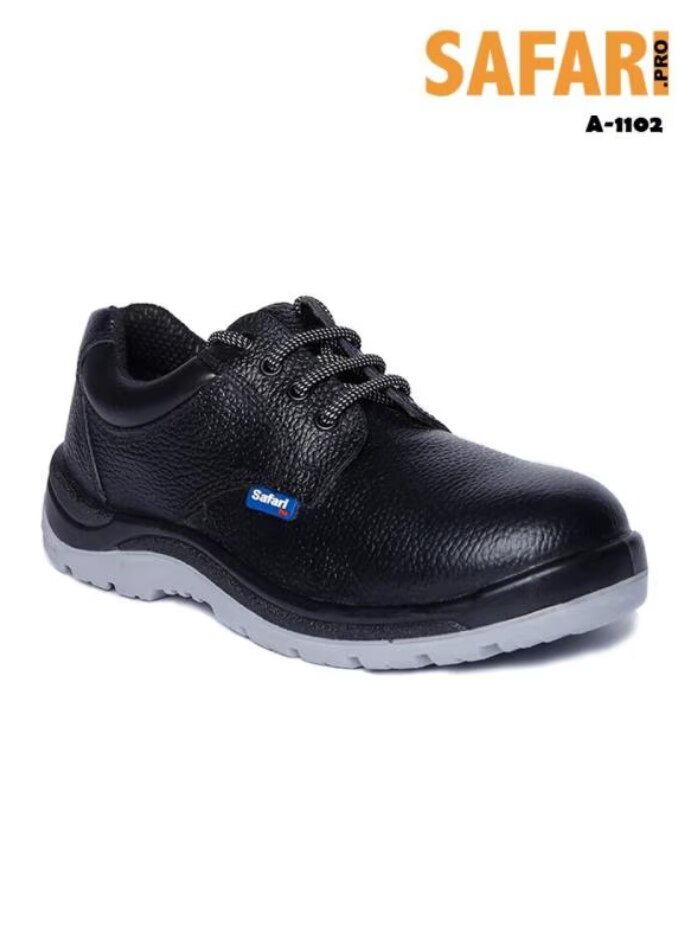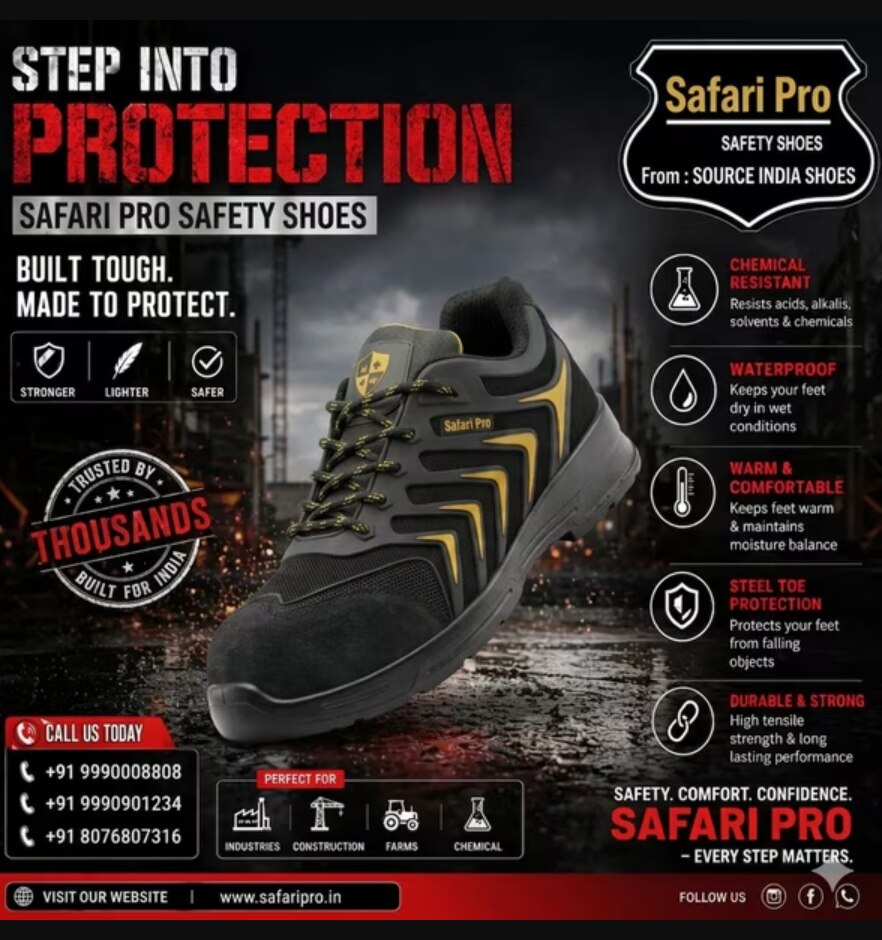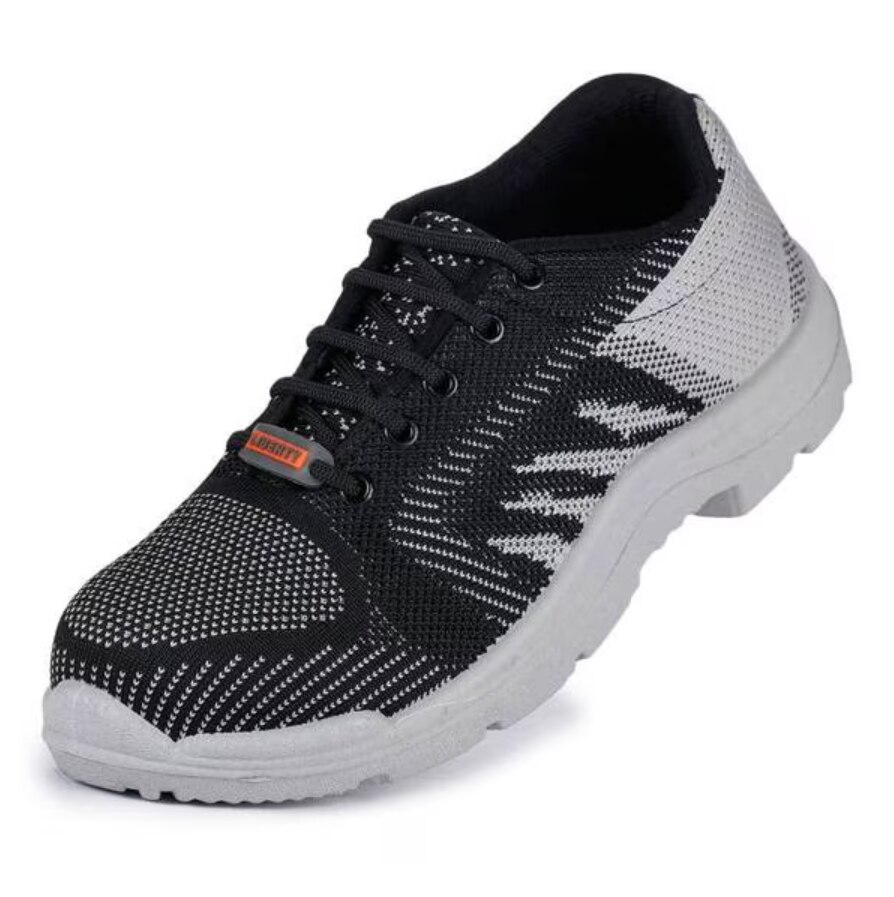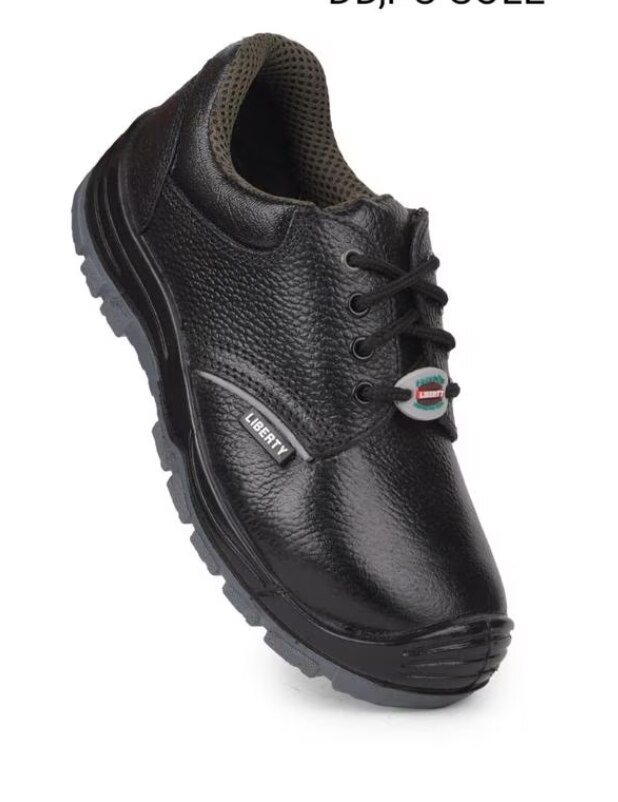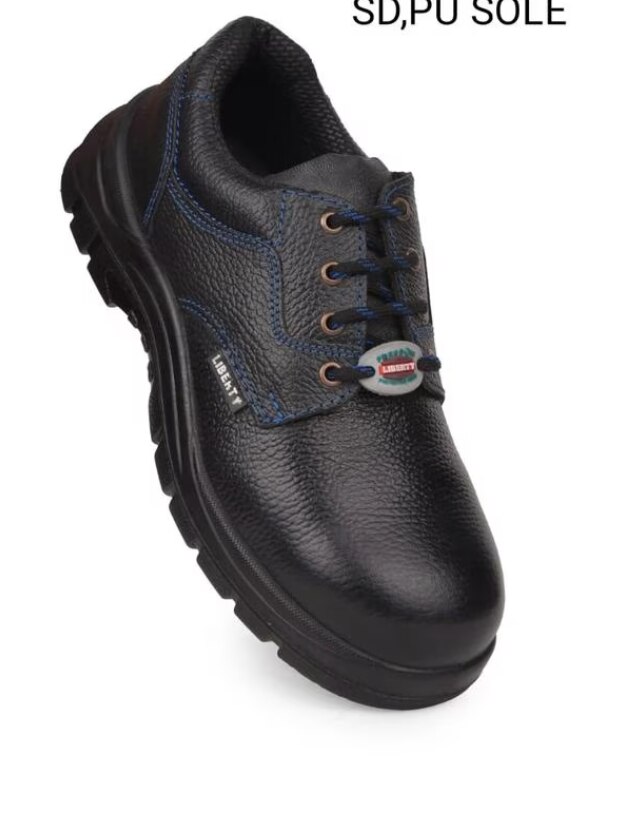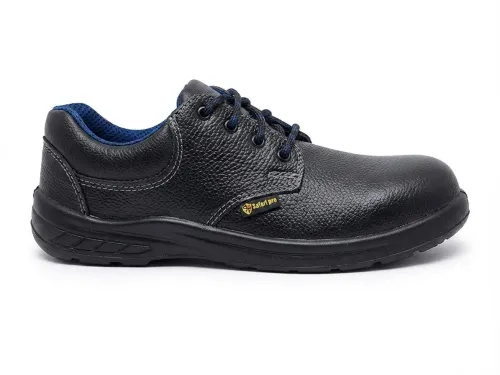

A shoe that looks sound after a few shifts can still lose tread, develop sole separation, retain moisture or become uncomfortable after its cushioning compresses. You will be able to compare Safari Pro A 1102 Eco and Safari Pro SP ECO by construction, workplace exposure, measurable wear, fit and replacement risk rather than by the model name alone.
Key takeaways
- Single-density soles age more uniformly; double-density soles separate cushioning from outsole wear.
- Inspect sole edges, bonding, tread, upper damage and fit after every shift cycle.
- Match each model to floor conditions, walking distance, impact exposure and shift length.
- Record wear findings before replacing footwear or comparing supplier offers in Gautam Buddh Nagar.
How single-density and double-density soles behave after repeated work
The construction controls how each sole ages. Safari Pro SP ECO uses one sole compound throughout, while Safari Pro A 1102 uses two densities: a softer cushioning layer above a denser outsole. The safari pro a 1102 eco comparison therefore concerns layer behaviour, not thickness alone.
Look at the sidewall for a visible change in colour, texture or moulded band. A distinct midsole-outsole boundary and a softer-looking flex zone indicate double density; a continuous sidewall and single flex line suggest single density. This does not prove a particular polymer or bonding quality. A thicker-looking sole is not automatically safer or longer-lasting.
| Feature | Single-density Safari Pro SP ECO | Double-density Safari Pro A 1102 |
|---|---|---|
| Cushioning | Consistent feel; less layer-specific compression | Softer layer cushions standing, denser outsole resists wear |
| Abrasion | Compound determines tread life | Dense outsole can resist rounding while cushioning layer compresses |
| Flexing | One material bends as one unit | Boundary and flex line need inspection |
| Compression set | Heel may flatten through the whole sole | Heel cushioning may lose height while outsole remains intact |
After repeated walking, standing and bending, inspect tread rounding, heel compression and flex-line cracking. Check the perimeter bond and look for separation between sole densities.
- Replace the pair when delamination affects stability, deep cracks admit water, or tread loss reduces secure footing.
An intact upper does not make a worn outsole safe; this safari pro eco comparison must judge the sole separately.
What industrial exposure reveals after the first shifts
Concrete abrasion exposes tread loss first; oily production floors expose contamination and traction; warehouses reveal dust retention and heel wear. Construction sites add road and construction dust, while wet service areas and outdoor travel expose footwear to monsoon water and repeated drying.
| Exposure | What to log separately | Likely observation |
|---|---|---|
| Concrete floors | Hours and shifts | Rounded tread, heel wear, sole-edge lifting |
| Oily production | Lubricating oils and cutting fluids | Slippery contamination, softened surfaces or stitching failure |
| Construction and warehouses | Road and construction dust | Dust trapped in grooves, accelerated flex-line wear |
| Wet work and outdoor travel | Monsoon water and drying time | Moisture retention, odour, upper cracking at flex points |
| Cleaning or process contact | Solvents | Discolouration, stiffening, cracking or adhesive failure |
For a safari pro a 1102 eco comparison after industrial use in gautam buddh nagar, match sizes, workers, socks, shifts and exposure. Compare rounded tread, trapped dust, wetness after removal, upper flex cracking, heel-lining wear, stitching failure and sole-edge lifting; report each by completed shift, not calendar age.
Water resistance, oil resistance, chemical resistance and slip resistance are different properties.
An SRC marking, or the current SR marking, records laboratory slip performance under specified surfaces and contaminants. It does not guarantee traction on your oil-contaminated, dusty or wet floor.
Industrial safety footwear in gautam buddh nagar still needs task-specific verification: check toe-cap marking, the actual puncture designation and insert basis, and electrical protection separately from appearance. Non-metallic uppers and insulated-looking soles prove nothing.
A timed inspection and care protocol for both models
Inspect both models after every shift during the first week. At one month, measure or photograph tread loss and compare every result with the recorded baseline.
| Period | Checks | Record |
|---|---|---|
| First week | Sole perimeter, heel compression, flex line, toe-cap shape, stitching, lining dampness, odour and worker hot spots after each shift | Photograph defects and note the shift number |
| One month | Measure or photograph tread loss; record sole separation length; check closure failure | Compare water ingress and moisture retention with baseline |
| Every later inspection | Inspect every 10 completed shifts, not only by calendar age | Report findings by shifts worn |
Replace the pair for any of these conditions:
- Visible toe-cap deformation
- Exposed or failed puncture protection
- Sole separation admitting water or affecting stability
- Deep outsole cracking or severe tread loss
- Persistent lining damage or hydrolysis
- Pain caused by heel compression set
For double density safety shoe care, brush off loose dirt, wipe with mild detergent and water, remove the insole, and dry at room temperature. Rotate pairs; do not soak them or use furnace heat, dashboard heat or aggressive solvents.
Keep a dated unused control pair, or dated photographs, for humid Gautam Buddh Nagar storage conditions. Tackiness, crumbling or cracking in the control helps distinguish polyurethane hydrolysis from ordinary wear.
Fit, fatigue and task suitability over a full shift
A Safari Pro A 1102 Eco or Safari Pro SP ECO can become uncomfortable after foam and insole compression even when both pass the same laboratory tests. Run the Safari Pro eco comparison with the socks worn on the job, across a full shift, and repeat it after the cushioning has settled.
1. Check toe-cap clearance without pressing your toes against the cap, then assess heel lift, forefoot width and instep pressure. Recheck late-shift swelling and mark hot spots at the heel, metatarsals and toe cap. An oversized shoe increases heel slip; an undersized shoe forces toes into the protective cap.
2. Compare fatigue after walking, standing and bending. Steel-toe construction adds weight and reduces forefoot flexibility, while thicker socks can alter both fit and heat retention. Do not assign either model to a worker until the compressed insole still leaves stable heel retention and comfortable toe movement.
3. Record whether either shoe develops pain, blistering, numbness or pressure after the shift. That evidence resolves practical suitability better than appearance.
ISO 20345 toe-cap tests cover 200-joule impact and 15-kilonewton compression only. They do not prove puncture, chemical, electrical or slip protection.
Before assigning either model to wet, oily, solvent-exposed or energized work, obtain the actual puncture insert designation and test basis, current slip marking, outsole resistance claims and electrical designation. Verify the insert’s metallic or non-metallic construction, test force and nail geometry; an ordinary insole is not puncture protection.
How to run a defensible purchase and replacement comparison in Gautam Buddh Nagar
Run a Safari Pro A 1102 Eco comparison after industrial use in Gautam Buddh Nagar by treating every pair as a controlled sample, not an anecdote.
1. Record the same baseline for each pair: purchase date, size, mass, upper and outsole material, safety markings, production batch and intended work area.
2. Match workers, socks, shift lengths and exposure conditions. Record results by completed shifts, not calendar age.
3. Log each outcome separately:
| Measure | Safari Pro A 1102 Eco | Comparator |
|---|---|---|
| Tread loss | Record depth or photographs by shift | Record identically |
| Upper tears | Count and locate tears | Count and locate tears |
| Sole separation | Measure length in millimetres | Measure identically |
| Closure failures | Record event and shift | Record event and shift |
| Water ingress | Record location and exposure | Record identically |
| Moisture retention | Record after drying interval | Record identically |
| Hot spots | Heel, metatarsals or toe cap | Record the same locations |
4. Calculate cost per usable shift as landed pair cost plus cleaning and replacement costs, divided by completed usable shifts. Record rejects separately when failed fit, puncture exposure, sole separation or lost certification ends service.
“Eco” does not prove recycled content or lower life-cycle impact. Ask for a material declaration, recycled-content percentage or environmental product declaration.
When sourcing industrial safety footwear in Gautam Buddh Nagar, specify safety category, toe-cap type, puncture requirement, slip marking, outsole resistance, size range, batch traceability, replacement terms and care instructions. Safety Shoes Manufacturers can support the comparison only when those requirements are documented and testable.
Related products
 | ISI Mark Safety Shoes ₹1499 Upper Heavy duty breathable chrome tanned Barton Printed Split Leather 1.8 – 2.0 mm Lining Mesh (Sporty Spacer Femina) 240 GSM Lining A Soft... View product → |
 | Double Density Safety Shoes ₹1199 safety shoes In Delhi safety shoes In Agra safety shoes In Noida safety shoes In Jaipur safety shoes In Lucknow safety shoes In Kanpur Manufacturers,... View product → |
Frequently asked questions
How do single-density and double-density safety shoe soles behave after repeated work?
A single-density sole uses one compound throughout, so wear develops through the same material. A double-density sole combines a softer cushioning layer with a denser outsole, making layer bonding and separate wear points important inspection areas.
What should you inspect after the first industrial shifts?
Check the tread, sole edges, bonding line, upper stitching, toe area, heel wear and any changes in fit or foot fatigue. Record visible damage and comfort changes rather than judging condition by appearance alone.
How should you care for double-density safety footwear?
Remove dirt after each shift, dry footwear away from direct heat, and inspect the join between the cushioning layer and outsole. Replace footwear when separation, deep cracking or unsafe tread loss affects protection.
How can you compare Safari Pro SP ECO and Safari Pro A 1102 for a purchase in Gautam Buddh Nagar?
Compare both models against the same task conditions, shift length, floor surface, exposure, fit requirements, inspection findings and replacement criteria. Keep written records so the decision rests on observed industrial performance rather than price alone.
Keywords