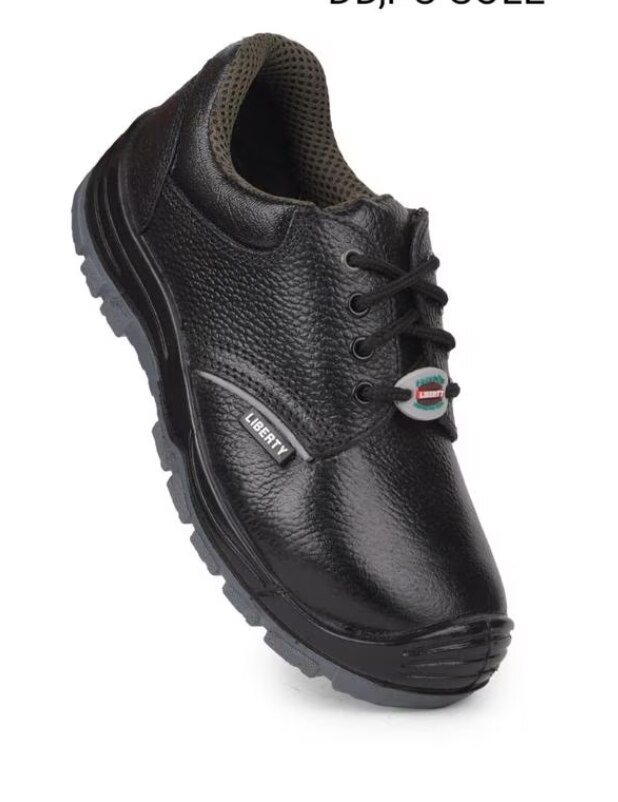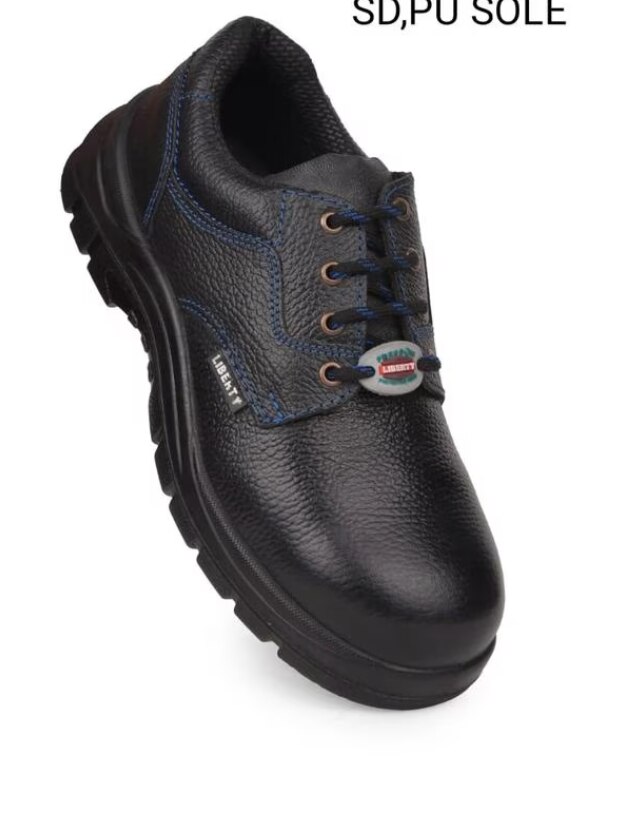
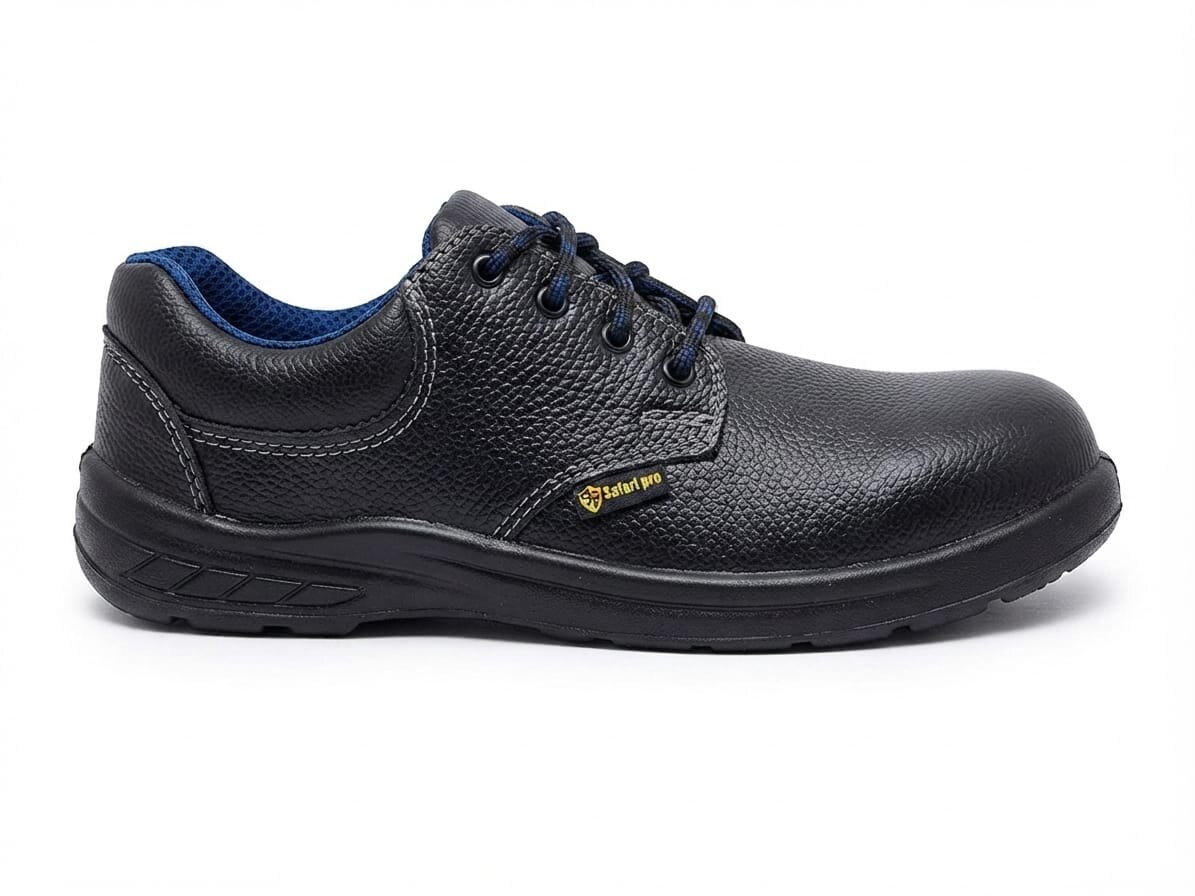
A Safari Pro Ranger listing is not a procurement specification: the model name alone does not establish its construction, protection rating, certification, or suitability for a particular workplace. By the end, you will have a document checklist, site-condition test plan, sample-acceptance method, and purchase-order controls for evaluating the shoe before placing an order.
Key takeaways
- Put the exact SKU or catalogue number on every purchase order.
- Request construction, protection, and performance evidence before approval.
- Test fit and acceptance samples under your actual site conditions.
- Record supplier, batch, and replacement-lot details for traceability.
Turn the Ranger name into an identifiable purchase item
Put the exact Safari Pro Ranger SKU or catalogue number on the purchase order; the model name alone cannot identify a comparable shoe. Record the safari pro double density safety shoe details against that code, not against a marketplace title or photograph.
- State the size range, colour, closure type, upper and lining materials, toe-cap material, sole material and construction, and ordered quantity. Specify steel, aluminium, or composite for the toe cap; “metal toe” leaves weight, fit, thermal behaviour, and site restrictions unresolved.
- Define “double density” in writing. Require the manufacturer’s construction sheet or a sectional sample confirming whether the sole has two PU layers, with a denser wear layer over a lower-density cushioning layer. Do not treat the name as proof of two separate outsole materials.
- Name the claimed standard and edition, toe-impact and compression ratings, electrical properties, slip-test result, oil or fuel resistance, water resistance, and abrasion performance. Add the ISI mark status, licence number, current certificate, and matching test-report reference.
Separate oil resistance from slip resistance: a shoe approved for oil contact is not automatically tested on oily ceramic, smooth concrete, steel plate, or wet industrial flooring. Require the quotation, sample, certificate, and carton marking to show the same SKU, then make any mismatch a rejection condition before comparison or ordering.
Demand evidence for construction, protection, and performance
Require documentary proof and a physical sample for every safety-critical Safari Pro Ranger shoe specification, not a marketplace photograph or reseller title. Ask for the manufacturer’s construction sheet, current certificate or licence, test report, and a sealed sample bearing the same model or SKU.
| Claim or specification | Evidence to demand | Reject if |
|---|---|---|
| Double-density sole | Construction sheet or sectional sample showing two PU layers, with denser wear layer and lower-density cushioning layer | “Double density” appears without layer details |
| Toe protection | Toe-cap material stated as steel, aluminium, or composite, plus impact and compression results | The document says only “metal toe” |
| Slip performance | Test report naming the test method, surfaces, lubricant, and result | It proves only oil resistance |
| Oil, fuel, or chemical resistance | Test report identifying each liquid and exposure condition | One broad “chemical-resistant” claim replaces specific results |
| Antistatic or electrical resistance | Test evidence with limits and test conditions | Antistatic is presented as insulation from live electricity |
| Water and abrasion performance | Separate water-resistance and abrasion results | A waterproof-looking upper is treated as proof |
Check that the report names the applicable standard and edition, exact model, size or specimen, laboratory, test date, and result. Request confirmation of the ISI mark and licence number where claimed; a printed mark without a verifiable licence is not evidence.
Compare the sample’s upper, lining, closure, outsole, colour, and markings against the documents before approval.
Match the shoe to Gautam Buddh Nagar work conditions
Suitability is a site-and-task decision, not a Gautam Buddh Nagar location claim. For a procurement record, describe the decision as safari pro for ranger double density shoe conditions in gautam buddh nagar: a defined match between work, floor, weather, and hazard—not a generic model approval.
| Condition | Define suitability | Reject or escalate when |
|---|---|---|
| Indoor factory | Confirm traction on the actual smooth concrete, ceramic, or painted floor, plus resistance to the oils used onsite. | The supplier proves only oil resistance, not slip performance on the installed floor. |
| Loading bay or logistics yard | Require a trial on abrasive concrete, steel plates, dust, pallet debris, and vehicle-fluid contamination. | The sole slips when wet or loses grip after dust and grease collect in its tread. |
| Construction work | Check toe protection, compression protection, outsole abrasion, and resistance to puncture hazards from nails, scrap, and broken concrete. | The specification does not identify the toe-cap and penetration-protection ratings. |
| Monsoon and outdoor work | Test wet-floor traction and water behaviour during prolonged exposure; check that the upper and sole interface remain intact. | Water enters through seams, or the double-density interface shows separation, voids, or incomplete bonding. |
| Chemical or electrical areas | Name each chemical and electrical exposure separately, then demand a matching test result. | “Chemical-resistant” or “electrical” appears without the substance, voltage class, or test method. |
A two-layer PU sole can combine a denser wear layer with softer cushioning, but that construction does not prove slip, chemical, or water performance. Verify the manufacturer’s sectional sample and test evidence, then approve the Ranger only for the conditions it actually passes.
Use fitting, testing, and receiving rules before acceptance
A nominal size chart is not a fit test. For ranger safety shoes procurement, approve the lot only after a size-run trial using the work socks employees actually wear.
1. Fit representative pairs across every ordered size. Check toe-cap pressure while standing, heel lift while walking, instep pressure, and space for foot swelling after a long-shift simulation. Reject sizes that force the toes against the cap or allow the heel to slip.
2. Compare the shoes with the approved golden sample and construction sheet. Confirm upper, lining, closure, toe-cap position, insole, heel alignment, stitching, and sole profile. For the double-density claim, request a sectional sample or manufacturer drawing showing the denser wear layer over the cushioning layer; a single uniform PU layer does not prove two-density construction.
3. Inspect pairs before packing them for workers. Reject exposed stitching, missing insoles, sole separation, incomplete injection, outsole voids, weak bonding at the density interface, distorted heels, and mismatched pairs. Test the specified protection and slip performance through the agreed report or acceptance test rather than relying on appearance.
4. Match each carton and shoe marking to the purchase order: exact SKU, size, model name, claimed standard, ISI mark and licence number when claimed, and batch or lot identification. Record carton quantities and retain photographs. Quarantine a lot with missing labels, mixed batches, unexplained marking changes, or defects found during receiving.
Control the supplier, stock, and future replacement lot
Treat Safari Pro Ranger in Gautam Buddh Nagar as a controlled procurement item, not a reseller listing. Before signing, verify the supplier’s legal invoice name, GSTIN, dispatch location, available size inventory, replacement lead time, and authority to supply the manufacturer’s declared model and certification.
Require these contract records:
- Exact SKU or catalogue number, size range, colour, construction, and certification or licence number
- Current manufacturer certificate, test report, and photographs of the actual marking
- Dispatch commitment, minimum order quantity, replacement timetable, and notification period for shortages
- Retained golden sample approved by both parties, with the invoice and purchase order tied to its identification
- Rejection, credit, or replacement terms for wrong sizes, altered construction, missing marks, and failed receiving checks
A size chart cannot protect the order by itself. Run a size-range fitting trial using workers’ actual socks, then reserve stock against measured demand; toe-cap pressure, heel lift, instep pressure, and swelling space become expensive problems after distribution.
Write change control into the contract. The supplier must obtain written approval before changing leather thickness, lining, toe-cap supplier, PU formulation, outsole mould, factory, or component source. Any change can alter weight, fit, flex life, slip behaviour, or chemical resistance while the Ranger name stays unchanged.
A written confirmation from Safety Shoes Manufacturers can help establish whether the delivered lot matches the approved model, but inspect every replacement lot against the retained sample and documents before issuing it.
Frequently asked questions
How do you make a Safari Pro Ranger shoe an identifiable purchase item?
Put the exact Safari Pro Ranger SKU or catalogue number, size range, quantity, and approved specification on the purchase order. Do not identify the item only by its model name, marketplace title, or photograph.
What evidence should you request for Safari Pro Ranger double-density safety shoes?
Request documents and samples showing the shoe’s upper, lining, outsole, toe protection, slip resistance, construction method, and applicable test results. Match each claim to the exact SKU and production lot supplied.
How should you match Ranger safety shoes to Gautam Buddh Nagar work conditions?
Assess the site’s dust, mud, water, oils, chemicals, heat, vehicle traffic, walking distance, and indoor-outdoor transitions. Select protection and outsole characteristics that address those hazards instead of relying on the product name.
What checks apply before accepting a delivery of Safari Pro Ranger shoes?
Check the approved SKU, sizes, quantities, labels, packaging, visible defects, toe-cap position, sole bonding, and pair matching. Conduct wearer fitting and site-relevant testing before releasing the full consignment.
How can procurement control future replacement lots?
Keep the supplier name, SKU, batch or lot number, delivery date, inspection record, approved sample, and wearer feedback. Require written approval before any change to materials, construction, factory, packaging, or replacement lot.
Keywords